Imagine a refrigerator that does more than just keep your food cold. What if it could help you manage groceries, suggest recipes, or even remind you when something’s about to expire?
Smart refrigerators bring all this and more right into your kitchen. If you’ve ever wondered what smart refrigerators can actually do and whether they’re worth the investment, you’re about to discover how these high-tech appliances could change the way you store and enjoy your food.
Ready to explore the future of refrigeration? Let’s dive in.
Credit: voltappliancerepair.com
Smart Features
Smart refrigerators come with many features that make kitchen life easier. These features help keep food fresh and save energy. They also allow better control and monitoring of your fridge. Each smart feature works to improve convenience and efficiency at home.
Activity Tracking
Smart refrigerators monitor how often the door opens and closes. They track usage patterns to help reduce energy waste. This feature can alert you if the door stays open too long. It also keeps an eye on food stock and expiration dates.
Temperature Control
These fridges adjust temperature automatically for different compartments. They keep fruits and vegetables fresher by maintaining ideal conditions. Temperature control helps avoid freezer burn and spoilage. You can also set specific temperatures for certain food types.
Remote Management
Smart fridges connect to your smartphone or tablet via apps. You can check the fridge status from anywhere at any time. Remote control lets you change settings without being in the kitchen. It can send alerts about power outages or temperature changes.
Internal Cameras
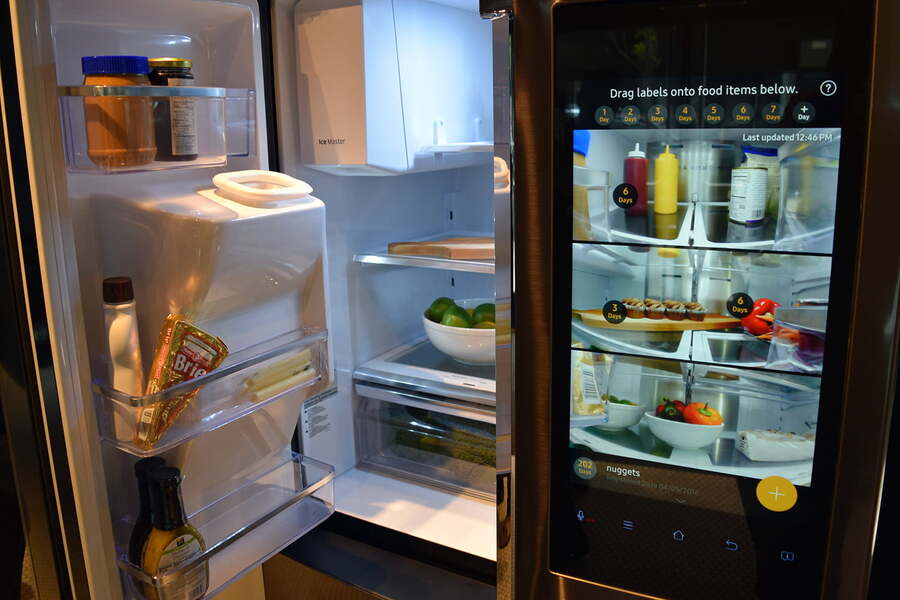
Built-in cameras show the fridge interior in real time. You can see what food you have without opening the door. Cameras help plan grocery shopping and reduce food waste. Some models even suggest recipes based on what is inside.

Credit: justenergy.com
Kitchen Innovations
Smart refrigerators bring new ideas to the kitchen. They do more than keep food cold. These fridges help manage your food, plan meals, and even suggest recipes. They connect with apps to make kitchen work easier and faster.
Smart fridges change how you organize and shop for groceries. They save time and reduce food waste. This technology helps you stay on track with healthy eating and cooking.
Inventory Management
Smart refrigerators keep track of what is inside. Sensors and cameras scan the food items automatically. They alert you when items are low or about to expire. This helps avoid throwing away spoiled food. You always know what you have without opening the fridge.
Meal Planning Assistance
These fridges suggest meal ideas based on your food supply. They help plan meals for the week. You can save time thinking about what to cook. This feature supports healthy choices by recommending balanced meals. It makes cooking less stressful and more fun.
Shopping List Integration
Smart refrigerators create shopping lists automatically. They add items you need to buy. You can view the list on your phone or fridge screen. This helps you shop smarter and faster. No more forgetting essentials at the store.
Recipe Suggestions
Smart fridges offer recipe ideas using the food inside. They match ingredients to recipes you can try. This feature helps use leftovers creatively. It encourages cooking new dishes without extra trips to the store. Recipes update based on your preferences and available items.
Connectivity And Entertainment
Smart refrigerators offer more than just cooling food. They bring connectivity and entertainment into your kitchen space. These features make everyday tasks easier and more enjoyable. You can stay connected with your family and access fun content without leaving the kitchen.
Wi-fi Dependence
Smart refrigerators rely heavily on Wi-Fi to function properly. Without internet access, many smart features stop working. You may lose control over apps that monitor food or adjust settings remotely. A stable Wi-Fi connection is essential for smooth performance and updates.
Streaming Services
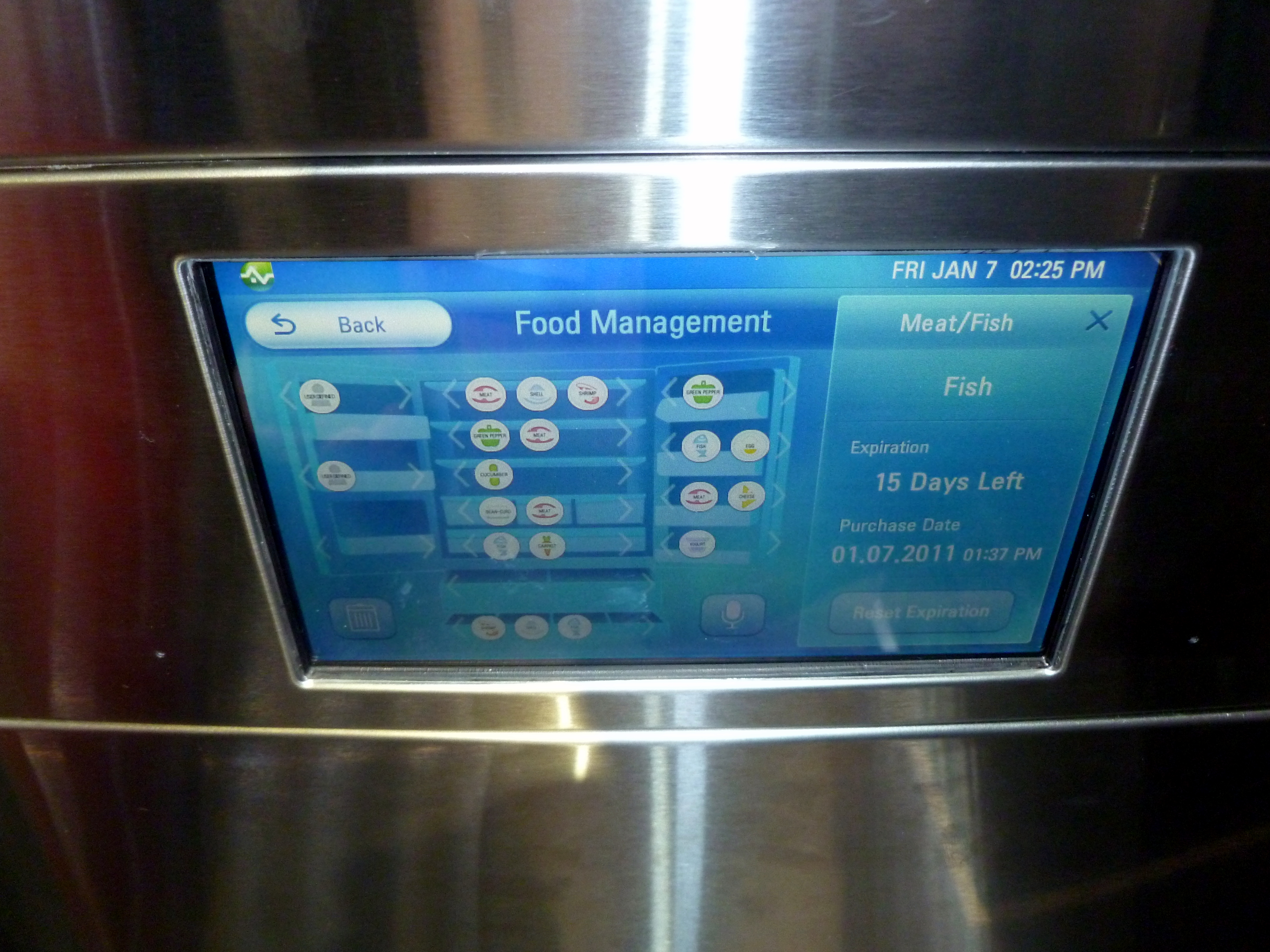
Many smart fridges support popular streaming services. You can watch cooking shows, news, or music videos on a built-in screen. This turns your fridge into an entertainment hub while you prepare meals. It helps pass the time and keeps you informed or entertained.
Voice Assistant Integration
Voice assistants like Alexa or Google Assistant often come integrated. You can use voice commands to check the weather, set timers, or add groceries to your shopping list. Hands-free control keeps your kitchen tasks simple and efficient. It also improves accessibility for everyone in the home.
Smart Home Compatibility
Smart refrigerators can connect with other smart home devices. This includes lighting, security cameras, and thermostats. You can control multiple devices from one app or screen on your fridge. Integration helps create a seamless smart home experience and saves time managing your household.
Credit: en.wikipedia.org
Energy Efficiency
Smart refrigerators offer impressive energy efficiency features. They help reduce electricity use and lower utility bills. These fridges adapt to your habits and environment to save power. Smart technology makes cooling more precise and less wasteful. Here are some key energy-saving functions of smart refrigerators.
Power Saving Modes
Smart refrigerators include power saving modes to reduce energy use. These modes adjust the fridge’s operation during low activity periods. For example, the fridge may reduce compressor speed at night. It uses less electricity while keeping food fresh. Power saving modes activate automatically, requiring no user input.
Usage Monitoring
Smart fridges monitor how often and how long the door opens. They track internal temperature and compressor cycles. This data helps optimize cooling and avoid unnecessary energy use. Some models send alerts if the door stays open too long. Usage monitoring helps you see and improve your energy habits.
Eco-friendly Settings
Eco-friendly settings let you customize the fridge for energy efficiency. You can choose modes that lower power use during vacations or busy times. These settings balance cooling needs with electricity savings. The fridge uses sensors to adjust temperature and humidity smartly. Eco-friendly options make it easier to reduce your carbon footprint.
Security And Privacy
Smart refrigerators bring many benefits but also raise concerns about security and privacy. These appliances connect to your home network and collect data. Protecting this information is essential. Users should understand potential risks related to cameras, microphones, and network access. Awareness helps keep your smart fridge and personal data safe.
Data Protection
Smart refrigerators store personal data like shopping habits and schedules. This information must be protected from unauthorized access. Strong passwords and regular software updates reduce hacking risks. Some models encrypt data to prevent leaks. Users should review privacy settings and limit data sharing.
Camera And Microphone Risks
Many smart fridges have built-in cameras and microphones for features like voice commands and inside views. These can be targets for hackers or misuse. Cover cameras if not in use and mute microphones when possible. Check device permissions and disable features that seem unnecessary.
Network Vulnerabilities
Smart refrigerators connect through Wi-Fi, creating possible entry points for cyber attacks. Weak home network security increases these risks. Use strong Wi-Fi passwords and update router firmware regularly. Consider segmenting your network to isolate smart devices. Monitoring network activity helps spot unusual behavior early.
Challenges And Limitations
Smart refrigerators bring many new features to the kitchen. They offer convenience and efficiency. Despite this, they have some challenges and limits. Understanding these helps buyers make better decisions. The following sections cover key issues smart refrigerators face.
High Cost
Smart refrigerators cost much more than regular models. The advanced technology raises the price. This can be a barrier for many families. The initial investment may not fit every budget. Some buyers may find the price hard to justify.
Repair Complexity
Repairs on smart refrigerators can be difficult. Their electronic parts need special skills to fix. Finding a technician with the right knowledge is not easy. Repair costs tend to be higher than for normal fridges. This can cause longer downtime during repairs.
Software Glitches
Software problems are common in smart fridges. Bugs and errors may cause features to stop working. Updates can sometimes introduce new issues. Connectivity problems also affect performance. These glitches can frustrate users and reduce reliability.
Feature Obsolescence
Smart features may become outdated quickly. Software updates might stop after some years. This can make apps and functions useless. The cooling system may still work fine. But some smart capabilities might no longer work properly.
User Experience Issues
Using a smart refrigerator can be confusing. Not all users find the apps easy to use. Setup processes may be complicated for some. Dependence on Wi-Fi affects the experience. Poor connectivity can limit the fridge’s usefulness.
Smart Fridges Without Wi-fi
Smart refrigerators often rely on Wi-Fi to offer advanced features. Yet, many models work without internet connection. These smart fridges still provide useful functions with limited connectivity. Understanding what they do helps decide if they fit your kitchen needs.
Basic Functionality
Smart fridges without Wi-Fi keep your food cold just like regular fridges. They maintain temperature and humidity levels automatically. Some models have touchscreen controls to set cooling zones. They alert you if the door stays open too long. These basic features improve food preservation and energy use.
Limited Smart Features
Without Wi-Fi, smart features are fewer but still helpful. You can adjust temperature and modes via the fridge panel. Some fridges have internal cameras to check contents inside. These cameras work only on the fridge screen, not remotely. Alerts for open doors or filter changes appear on the display. Voice control and remote app access are not available without internet.
Frequently Asked Questions
What Is The Point Of A Smart Fridge?
A smart fridge monitors food, controls temperature, sends alerts, and offers remote access for convenience and efficiency.
What Are The Disadvantages Of A Smart Fridge?
Smart fridges have high upfront costs and costly repairs. They depend on Wi-Fi, risking glitches and software issues. Security risks and privacy concerns exist. Features may become obsolete quickly, and complexity can confuse some users.
Can A Smart Refrigerator Work Without Wi-fi?
A smart refrigerator can cool and preserve food without Wi-Fi. However, smart features like remote control and alerts won’t work. Wi-Fi enables connectivity for enhanced functions, but basic refrigeration operates independently.
Can You Watch Tv On A Smart Fridge?
Yes, many smart fridges allow you to watch TV via built-in screens or streaming apps. Streaming quality varies by model.
Conclusion
Smart refrigerators offer many helpful features for daily life. They help track food, save energy, and allow remote control. These fridges can make kitchen tasks easier and more efficient. Yet, they also come with higher costs and need good internet.
Some users may find their smart functions complex or unnecessary. Choosing a smart fridge means balancing convenience with price and potential issues. Overall, they bring new technology into homes but need careful thought before buying.

Hi, I’m the lead researcher and appliance enthusiast behind RefrigeratorSolve. With years of hands-on experience troubleshooting cooling systems and testing home appliances, I am dedicated to bringing you honest reviews, energy-saving tips, and practical solutions to keep your refrigerator running perfectly.