
Have you ever noticed strange tastes or odors coming from your ice? Or worried about what’s really inside the ice cubes you use every day?
Installing filters in your refrigerator ice maker can make a big difference in the quality and safety of your ice. Not only does it improve the taste, but it also protects your health by removing harmful impurities. You’ll discover exactly why adding a filter is one of the smartest choices you can make for your home and family.
Keep reading to find out how this simple upgrade can bring you cleaner, fresher ice every time.
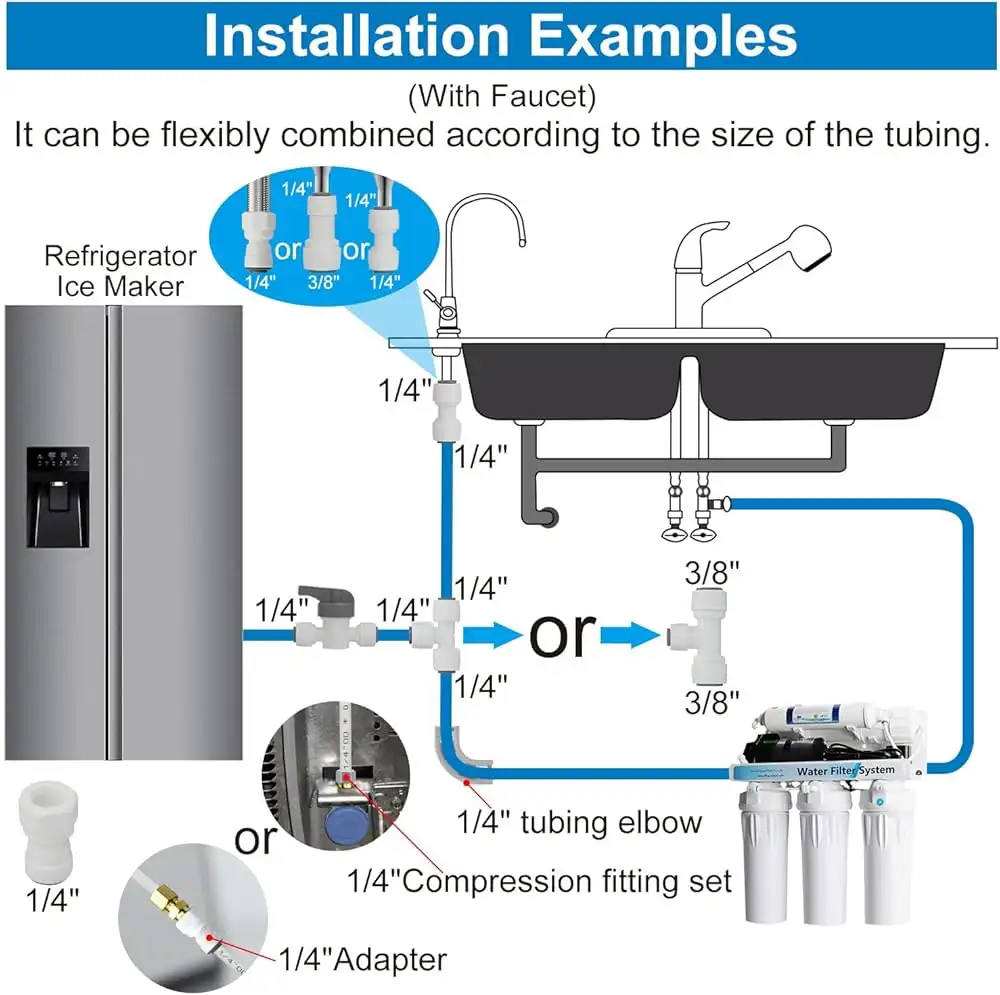
Credit: www.amazon.com
Benefits Of Ice Maker Filters
Installing filters in refrigerator ice makers offers many benefits that improve both the quality of ice and the appliance’s performance. These filters help remove impurities, making ice cleaner and safer to use. A good water filtration system inside the ice maker ensures better taste, prevents harmful bacteria, and extends the appliance’s life. Understanding these benefits helps you decide why a refrigerator water filter is essential for your home.
Improved Taste And Odor
One of the main reasons to install filters in ice makers is to improve the taste and smell of the ice. Tap water often contains chlorine and other chemicals that affect flavor and odor. A quality water filtration system reduces these substances, resulting in fresh, clean ice.
- Chlorine reduction removes the chemical taste and smell.
- Sediment filtration captures dirt and particles that cloud the ice.
- Contaminant removal ensures no unwanted flavors transfer to your drinks.
Here is a quick comparison of ice quality with and without a filter:
| Feature | Without Filter | With Filter |
|---|---|---|
| Taste | Chlorine and chemical taste present | Fresh and pure |
| Odor | Unpleasant chlorine smell | No odor |
| Appearance | Cloudy ice | Clear, clean ice |
Filtered ice enhances drinks and encourages hydration by providing a better experience. Clean ice production supports the overall quality of water you consume daily.
Health And Safety
Filters in ice makers improve health by removing harmful elements from water. Without filtration, ice may contain bacteria, sediments, and other contaminants that cause illness. A refrigerator water filter protects against these risks.
- Bacteria prevention: Filters reduce bacteria growth inside the ice maker.
- Contaminant removal: Removes metals, chemicals, and sediments that can harm health.
- Improved water quality: Provides safer ice for drinking and cooking.
Ice makers without proper filters can accumulate harmful substances. This buildup increases health risks, especially for children and the elderly.
Keeping your ice maker clean with regular filter changes supports safe ice production. It also reduces the chance of mold and other microbial growth.
Extended Ice Maker Lifespan
Using filters helps protect your ice maker and improve appliance longevity. Sediment and mineral buildup can clog and damage the machine over time. A water filtration system limits these issues by capturing impurities before they reach internal parts.
- Sediment filtration prevents clogging and wear on the ice maker components.
- Regular filter use reduces maintenance needs and repair costs.
- Maintaining clean water flow supports smooth ice maker operation.
Here is a simple table explaining how filters support ice maker maintenance:
| Problem Without Filter | Benefit of Using Filter |
|---|---|
| Mineral buildup on ice maker parts | Prevents deposits and corrosion |
| Ice maker blockages and slow ice production | Ensures steady water flow and faster ice making |
| Frequent repairs and shorter appliance life | Extends ice maker lifespan and reduces repair frequency |
Using a quality filter is a simple step to keep your ice maker working longer and better.
Common Contaminants In Water
Installing filters in refrigerator ice makers is essential for household water safety and improving ice quality. Water from taps often contains various contaminants that affect taste, health, and appliance longevity. Common contaminants in water include chemicals, sediments, and microorganisms. Using a refrigerator water filter helps reduce contaminants, ensuring clean ice cubes and better-tasting water.
Chlorine And Chemicals
Chlorine is widely used to disinfect tap water. Though it kills germs, chlorine leaves a strong, unpleasant taste and smell in water and ice. Many chemicals from pipes and treatment processes may also be present, affecting health and taste.
Reasons to remove chlorine and chemicals:
- Remove chlorine taste for fresher water and ice.
- Protect against harmful chemical residues.
- Prevent damage to refrigerator components.
- Improve overall water purification.
Refrigerator water filters use activated carbon or similar materials to trap chlorine and chemicals. This process reduces contaminants effectively, resulting in cleaner ice cubes and safer drinking water.
| Contaminant | Effect on Water/Ice | Filter Benefit |
|---|---|---|
| Chlorine | Strong taste and smell | Remove chlorine taste |
| Industrial Chemicals | Health risks and bad flavor | Reduce contaminants |
Sediment And Particles
Sediment, dirt, rust, and other particles can enter household water through pipes or natural sources. These sediments affect ice clarity and may clog ice makers.
Importance of sediment filtration:
- Remove visible particles for clean ice cubes.
- Protect ice maker parts from clogging.
- Improve appliance lifespan and efficiency.
- Enhance water purification by trapping fine particles.
Refrigerator water filters have layers that perform sediment filtration, capturing particles before water reaches the ice maker. This step improves ice quality and ensures household water safety.
| Type of Particles | Source | Filter Role |
|---|---|---|
| Dirt and Sand | Natural water sources | Trap sediments |
| Rust | Old pipes | Prevent clogging |
Microorganisms And Bacteria
Water can carry harmful microorganisms and bacteria that cause illness. Ice maker filters must address this risk to ensure safe ice and water.
Benefits of bacteria removal:
- Protect family health by removing bacteria.
- Reduce risk of waterborne diseases.
- Keep ice maker clean and free of biofilm.
- Maintain better taste and clarity in ice.
Some refrigerator water filters include advanced media to remove or reduce bacteria. This bacteria removal helps improve ice quality and supports water purification at home.
| Microorganism | Risk | Filter Benefit |
|---|---|---|
| Escherichia coli (E. coli) | Causes stomach illness | Remove bacteria |
| Legionella | Respiratory infections | Reduce contaminants |
Types Of Refrigerator Water Filters
Installing filters in refrigerator ice makers ensures health safety ice cubes by removing harmful substances from water. Filters improve the water quality used to make ice, offering taste enhancement and reducing unpleasant odors. Understanding the types of refrigerator water filters helps choose the best option for water purification and ice maker maintenance. Each filter type uses different filtration technologies to target specific contaminants, contributing to the overall refrigerator water filter benefits.
Carbon Filters
Carbon filters are the most common choice for refrigerator water filters. They use activated carbon to trap chemicals and impurities. These filters excel in contaminant removal of chlorine, volatile organic compounds (VOCs), and some pesticides. This process enhances the taste and smell of ice and water.
Key features of carbon filters include:
- Sediment filtration: Removes large particles and dirt.
- Taste enhancement: Eliminates chlorine taste and odor.
- Filter replacement frequency: Usually every 6 months for optimal performance.
- Water quality improvement: Effective for everyday tap water.
| Advantage | Limitation |
|---|---|
| Affordable and easy to replace | Does not remove all contaminants, like heavy metals |
| Improves taste and odor | Less effective against bacteria and viruses |
Carbon filters support regular ice maker maintenance and improve the overall water quality, making ice cubes safer and better tasting.
Reverse Osmosis Filters
Reverse osmosis (RO) filters provide a higher level of water purification. They push water through a semipermeable membrane, removing many dissolved solids and contaminants. RO filters target heavy metals, salts, and other harmful substances, giving cleaner water for your ice maker.
Benefits of reverse osmosis filters include:
- Contaminant removal: Removes 95-99% of dissolved impurities.
- Health safety ice cubes: Reduces bacteria, lead, fluoride, and arsenic.
- Water quality improvement: Produces very pure water for ice.
- Filter replacement frequency: Membrane usually lasts 2-3 years; pre-filters replaced every 6-12 months.
Considerations for RO filters:
- They waste some water during the filtration process.
- More expensive and complex than carbon filters.
- Require regular maintenance and timely filter replacement.
Reverse osmosis is a strong option for those wanting the highest refrigerator water filter benefits. It ensures clean, safe ice with improved taste and fewer contaminants.
Uv Filters
UV (ultraviolet) filters use light to kill bacteria, viruses, and other microorganisms. This filtration technology is excellent for health safety ice cubes by disinfecting water without chemicals. UV filters do not remove particles or chemicals but add a layer of safety by targeting germs.
Advantages of UV filters include:
- Water quality improvement: Kills 99.99% of bacteria and viruses.
- Ice maker maintenance: Reduces biofilm buildup inside the ice maker.
- Filter replacement frequency: UV lamps generally last 1 year and need replacement.
- Works well combined with other filter types for comprehensive purification.
Limitations of UV filters:
- Does not remove sediments, chemicals, or heavy metals.
- Requires electricity to operate.
UV filters add an important safety step for water purification. Using them with carbon or reverse osmosis filters improves overall ice quality and safety.
Signs Your Ice Maker Needs A Filter
Installing filters in refrigerator ice makers improves ice water quality and prevents ice contamination signs. Filters remove impurities from water, ensuring household ice purity and better tasting ice. Recognizing signs your ice maker needs a filter helps with timely refrigerator filter replacement and ice maker troubleshooting. This keeps ice maker performance issues at bay and supports refrigerator ice maker maintenance for clean, fresh ice.
Changes In Ice Taste Or Smell
Bad taste or unusual smell from ice signals water filtration system problems. When ice tastes strange or smells off, it means impurities affect the ice quality. These changes often result from a clogged or old filter that no longer removes contaminants properly.
Common causes of bad ice taste or smell include:
- Chlorine or chemical odors from tap water
- Bacterial growth inside the filter or ice maker
- Accumulated minerals and sediments
Ignoring these ice contamination signs reduces ice water quality and can affect drinks and food. Replacing the refrigerator water filter regularly improves ice taste and prevents odors. Proper refrigerator filter replacement supports household ice purity and avoids unpleasant ice flavors.
| Ice Taste or Smell Issue | Possible Cause | Solution |
|---|---|---|
| Chlorine taste | Old filter not filtering chlorine | Replace filter every 6 months |
| Musty or moldy smell | Bacterial growth in water lines | Clean ice maker and replace filter |
| Metallic taste | Mineral buildup in filter or lines | Use high-quality filter, maintain regularly |
Slow Ice Production
Slow ice production is a key ice maker performance issue. A clogged or dirty water filtration system restricts water flow, causing less ice to form. This reduces ice supply for daily use.
Reasons for slow ice production:
- Filter blockage by sediments or minerals
- Faulty or expired refrigerator water filter
- Ice maker mechanical problems due to poor maintenance
Regular refrigerator filter replacement keeps water flow steady and ice production normal. Checking ice maker parts and cleaning the system helps prevent long-term problems. Household ice purity depends on proper ice maker troubleshooting and maintenance.
Signs of slow ice production:
- Ice cubes take longer to form
- Ice maker stops working temporarily
- Reduced ice quantity in the bin
Visible Impurities In Ice
Visible impurities in ice clearly indicate the need for refrigerator filter replacement. Dirt, particles, or discoloration in ice cubes show water filtration system failure. These impurities reduce household ice purity and can cause health concerns.
Common visible impurities:
- Cloudy or white spots inside ice cubes
- Black or brown specks
- Floating particles or sediment
Ice contamination signs like these call for immediate filter change and ice maker cleaning. Maintaining the water filtration system ensures clean ice and fresh taste. Regular refrigerator ice maker maintenance prevents impurity buildup and supports better ice water quality.
| Impurity Type | Cause | Action |
|---|---|---|
| Cloudy ice | Air bubbles or mineral deposits | Use filtered water, replace filter |
| Colored particles | Rust or sediment in water lines | Flush lines, replace filter |
| Floating debris | Dirty filter or contamination | Clean ice maker, change filter |
Maintenance And Replacement Tips
Maintaining the water filtration system in your refrigerator ice maker ensures clean, fresh ice and extends your appliance’s life. Proper Ice Maker Maintenance requires regular attention to the filter. Understanding Filter Lifespan and following a strict Filter Replacement Schedule helps in Reducing Contaminants and improving water purity. This section covers easy Diy Filter Installation steps and tips for Choosing the Right Filter Model. These practices keep your ice tasting fresh and your refrigerator running smoothly.
Filter Lifespan And Schedule
Every Refrigerator Water Filter has a specific lifespan, usually measured in gallons or months. The average filter lasts about 6 months or 200-300 gallons of water. Regular replacement is essential for Improving Ice Taste and maintaining Water Purity. Using a filter beyond its lifespan can cause clogging and reduce water flow.
Follow these tips for an effective Filter Replacement Schedule:
- Note the installation date to track filter lifespan.
- Replace the filter every 6 months or earlier if water flow slows.
- Check your refrigerator manual for specific filter lifespan recommendations.
- Look for signs like bad taste, odor, or visible particles in ice or water.
| Filter Type | Average Lifespan | Replacement Frequency |
|---|---|---|
| Carbon Block Filter | 6 months / 300 gallons | Twice a year |
| Granular Activated Carbon | 4-6 months / 200 gallons | Every 4-6 months |
| Reverse Osmosis Membrane | 12-24 months | Once a year or every two years |
Diy Replacement Steps
Replacing your refrigerator’s water filter is a simple task that anyone can handle. A quick DIY filter installation keeps water pure and ice fresh without waiting for a technician. Follow these easy steps:
- Turn off the water supply to the refrigerator to avoid leaks.
- Locate the filter, usually inside the fridge or at the base.
- Remove the old filter by twisting or pulling it out, depending on the model.
- Prepare the new filter by removing protective caps or seals.
- Insert the new filter firmly, ensuring it fits snugly for proper filter compatibility.
- Turn the water back on and check for leaks.
- Flush the filter by running water or ice for 3-5 minutes to clear carbon dust.
Keep these tips in mind:
- Follow the refrigerator manual for specific instructions.
- Use gentle force to avoid damage.
- Reset the filter indicator light if your fridge has one.
Choosing The Right Filter Model
Selecting the right filter model is crucial for effective water filtration and Reducing Contaminants. Not all filters work with every refrigerator. Check the filter compatibility before purchase to ensure it fits your fridge model perfectly.
Consider these factors:
- Manufacturer Recommendations: Use filters recommended by your fridge maker.
- Certification: Look for NSF certification for safety and quality.
- Filter Type: Choose between carbon block, granular carbon, or reverse osmosis filters based on your water quality needs.
- Cost: Balance price with filter lifespan and performance.
Here is a comparison table for common filter models:
| Filter Model | Compatibility | Filter Type | Benefits |
|---|---|---|---|
| OEM Refrigerator Water Filter | Specific fridge brands | Carbon Block | High compatibility, reliable contaminant removal |
| Universal Replacement Filter | Multiple brands | Granular Activated Carbon | Affordable, broad compatibility |
| Reverse Osmosis Filter | Special RO systems | Membrane | Best for heavy contaminant reduction |
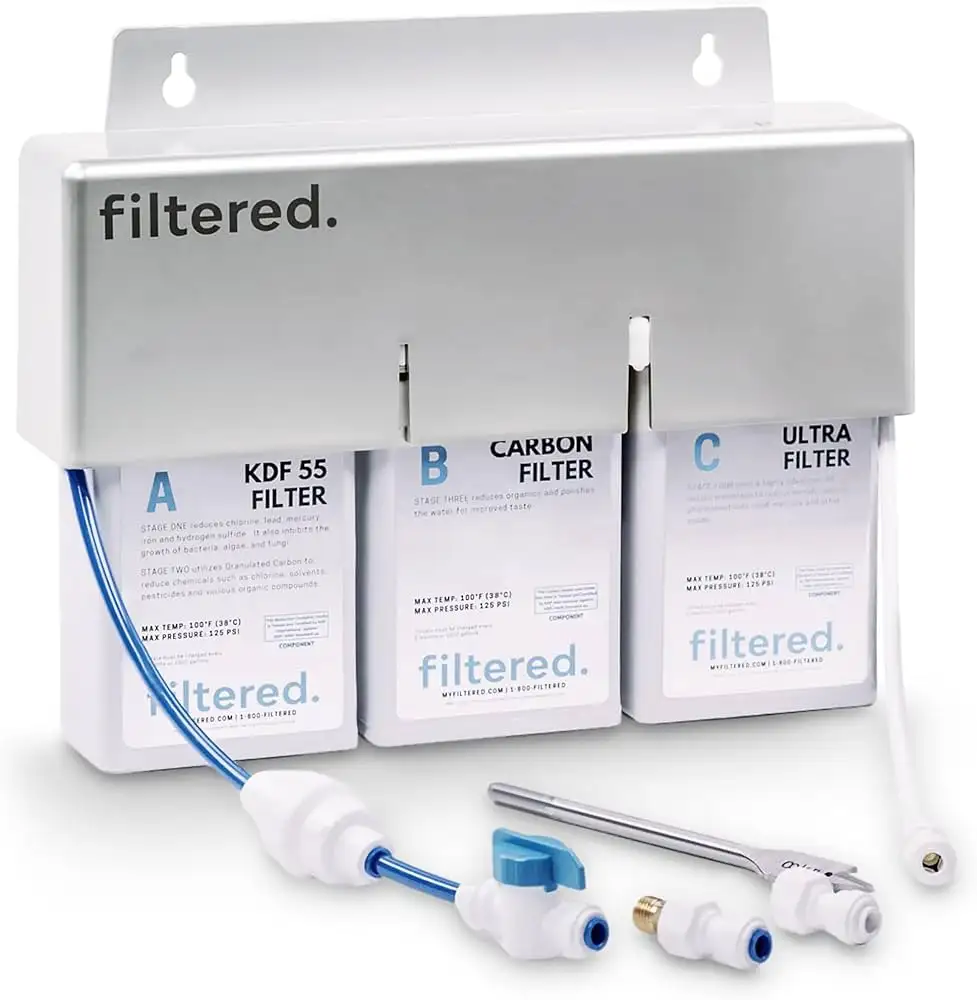
Credit: www.amazon.com
Cost Considerations
Installing filters in refrigerator ice makers offers clear cost considerations. These filters help maintain water taste and enhance ice safety. They also bring many water filtration benefits that protect your appliance and improve ice quality. Understanding the costs involved helps make a smart decision about using a refrigerator ice maker filter.
Initial Investment
Buying and installing a refrigerator ice maker filter requires an initial cost. The price varies by brand and filter type but usually stays affordable. This cost covers the filter itself plus possible installation fees if a professional is needed.
- Filter cost: Basic filters start low, while advanced ones cost more.
- Installation: Many filters are easy to install without help.
- Quality choice: Higher-quality filters may cost more but provide better results.
Here is a simple cost comparison:
| Filter Type | Average Price | Installation Complexity |
|---|---|---|
| Basic Carbon Filter | $20 – $40 | Easy, DIY |
| Advanced Multi-Stage Filter | $50 – $100 | Moderate, may require help |
| OEM Manufacturer Filter | $40 – $70 | Easy to moderate |
The filter replacement importance means you must budget for regular changes. Filters usually last 6 months, so plan for ongoing costs in the budget.
Long-term Savings
Installing a refrigerator ice maker filter can save money over time. It reduces the need for repairs and keeps the appliance running smoothly. The filter helps prevent mineral buildup which often causes damage.
- Cleaner water means less wear on ice maker parts.
- Improved ice quality reduces waste of bad ice.
- Lower electricity use as the appliance runs efficiently.
Consider these benefits of water filtration benefits for your budget:
- Extend appliance lifespan: Filters keep components cleaner longer.
- Lower maintenance costs: Fewer repairs and service calls.
- Improve ice quality: Better tasting ice reduces the need to discard it.
These savings add up, making the initial investment worthwhile. The filter helps reduce contaminants in ice, making ice safer and healthier.
Avoiding Repair Expenses
Using a refrigerator ice maker filter can help avoid costly repairs. Contaminants and minerals can damage the ice maker’s internal parts, causing breakdowns.
The filter acts as a barrier to these harmful substances. It prevents mineral buildup on delicate parts and keeps the water clean.
- Less buildup means fewer clogs and mechanical issues.
- Cleaner water reduces corrosion and wear.
- Regular filter changes keep the system protected.
Failing to use or replace filters on time may lead to:
- Expensive ice maker repairs.
- Reduced ice production and quality.
- Potential need for full appliance replacement.
Extend appliance lifespan by investing in a good filter and replacing it regularly. This lowers the chance of unexpected repair expenses and keeps the ice maker working well.
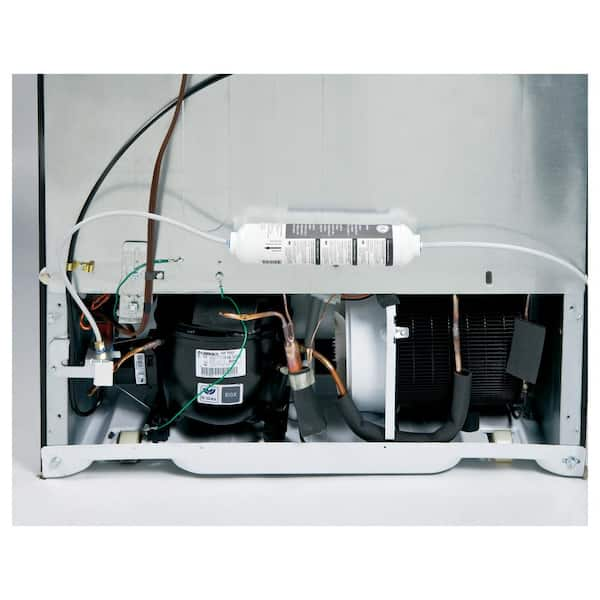
Credit: www.homedepot.com
Frequently Asked Questions
Why Install Filters In Refrigerator Ice Makers?
Installing filters removes contaminants, improves ice taste, and protects the ice maker. Filters ensure clean, fresh ice and extend appliance life by preventing clogs and damage.
How Often Should Refrigerator Ice Maker Filters Be Changed?
Filters should be replaced every 6 months or after filtering 200-300 gallons. Regular changes maintain water quality and prevent bacteria buildup in the ice maker.
Do Filters Improve The Taste Of Ice?
Yes, filters remove chlorine, sediments, and odors, enhancing ice flavor. Clean filtered ice tastes fresher and is safer for consumption.
Can Unfiltered Water Harm Refrigerator Ice Makers?
Unfiltered water can cause mineral buildup and clog ice maker components. This reduces efficiency and may lead to costly repairs or replacement parts.
Conclusion
Installing filters in refrigerator ice makers improves water taste and quality. Clean ice means fewer impurities and safer drinks. Filters also protect the machine from damage and block harmful particles. They help keep your ice fresh and clear. Changing filters regularly keeps everything working well.
A small step that makes a big difference every day. Enjoy pure, clean ice without extra effort. Simple, smart, and good for your health. Why settle for less when clean ice is easy?

Hi, I’m the lead researcher and appliance enthusiast behind RefrigeratorSolve. With years of hands-on experience troubleshooting cooling systems and testing home appliances, I am dedicated to bringing you honest reviews, energy-saving tips, and practical solutions to keep your refrigerator running perfectly.