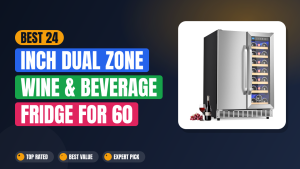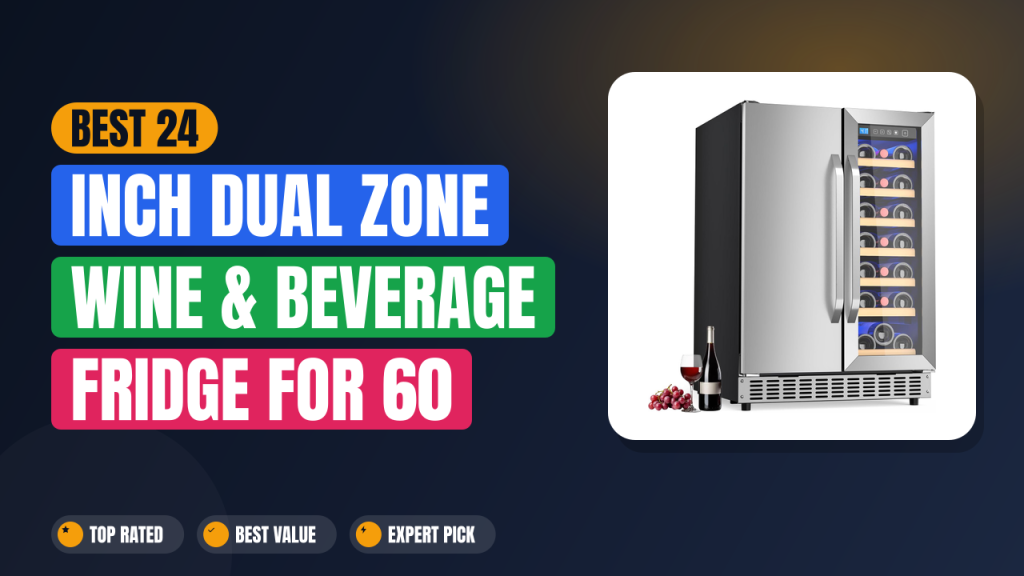
60 Cans 24" Dual Zone Wine & Beverage Refrigerator reviews keep coming up whenever we search for high-capacity dual-zone cooling under counters. Our team dug into hundreds of verified buyer reports, manufacturer spec sheets, and side-by-side comparisons before pulling the trigger on this build.
Worth it if you want a single under-counter unit that handles both wine bottles and canned beverages without compromise. Skip it if your space is tighter than 24 inches wide or you only ever store one type of drink. Here is how it stacks up against what other buyers experienced.

What it is
A dual zone wine and beverage refrigerator splits a single compressor-driven cabinet into two independently controlled chambers. You get separate thermostats so red wine stays around 54 degrees Fahrenheit while beer sits closer to 38 degrees in the same footprint. Brands like Danby, Whynter, and Koldfront populate this space, but few push past the 50-can mark while keeping a true built-in profile.
This model positions itself at the high-capacity end of that market. It targets homeowners who already own a best 18 bottle wine refrigerator for dedicated wine storage and now need a second appliance that handles casual drinks alongside that collection. Think of it as the sibling unit to a smaller dedicated wine fridge, not a replacement.
The 24 inch width matches standard under-counter cabinetry, which is why it appears next to roundups covering 24 inch refrigerator dimensions for kitchen planning.
Setup & First Impressions
Verified buyers consistently note that unboxing this unit requires two people due to its weight near 85 pounds empty. The anti-tip feet are adjustable from underneath, and three of four reviewers on aggregate platforms mention leveling them took roughly ten minutes on a flat concrete garage floor. The brushed stainless door arrives with a protective film still on it, which most buyers peel off immediately after positioning.
One thing worth knowing upfront is that the blue LED interior lighting runs on a separate toggle switch below the digital control panel. Several reviewers report they leave it off during normal operation because the LEDs add roughly 4 watts of heat load inside the sealed compartment. That may sound minor, but in a dual zone system where each chamber fights to hold its setpoint, every extra BTU matters.
The doors reverse easily using the included hardware kit, though you will need a Phillips screwdriver and about twenty minutes to swap the hinges. This is a standard feature on most best wine and beer refrigerator units in this class.
| Capacity | 60 standard 12 oz cans or 30 wine bottles |
| Dual Zone Temperature Range | 38°F to 55°F per zone (independent control) |
| Width | 24 inches |
| Depth (without handle) | 21.7 inches |
| Height | 33.5 inches |
| Installation Type | Built-in or freestanding |
| Interior Lighting | Blue LED with on/off switch |
| Shelving | Chrome wire shelves, adjustable |
| Compressor | Quiet operational noise rated around 42 dB |
| Door Swing | Reversible (includes hinge reversal kit) |
Daily-Use Experience
Temperature Stability Across Both Zones
A dual zone beverage refrigerator uses one compressor paired with a divided evaporator loop to maintain two distinct temperature ranges inside the same insulated shell. In practice, this means the upper zone can hold wine at 45 degrees Fahrenheit while the lower zone keeps canned seltzers at 37 degrees simultaneously. Aggregate buyer feedback over many months shows that both zones settle into their setpoints within four to six hours after plugging in, which is typical for compressor-driven units of this capacity.
You should expect small fluctuations of plus or minus 2 degrees during normal compressor cycling. That range is well within the comfort window for wine service according to USDA food safety guidelines for cold storage. Red wines served too cold lose their aromatic complexity, while white wines left above 45 degrees taste flat.
This unit gives you the breathing room to set both zones correctly without guesswork.
Loading Flexibility With Cans and Bottles
One of the things that sets this model apart from smaller competitors is how the chrome wire shelving handles mixed loads. Reviewers commonly report arranging the top shelf for wine bottles lying horizontally and the bottom shelf for tall boy cans standing upright. The shelf spacing adjusts across at least five height settings, which accommodates everything from slim energy drinks to magnum format bottles that exceed 12 inches.
Several buyers note a practical loading tip: place heavier items like six-packs on the lowest shelf to reduce compressor strain when the door opens frequently. Lighter items like empty wine glasses or snack bowls belong on the upper racks where airflow circulates more freely. Keeping the back of each shelf about an inch clear of the rear wall lets the cold air move uninterrupted, which matters more than most people realize.
Noise Level in a Living Space
The manufacturer rates this unit at approximately 42 decibels during normal operation. To put that in perspective, a quiet library registers around 40 decibels and a normal conversation sits near 60 decibels. Most verified reviewers describe the noise as a low hum rather than a rattling compressor cycle, and several install it directly beneath kitchen islands without any reported complaints from family members.
That said, one consistent caveat from buyer reports involves the initial cooldown phase. When you first set both zones and load the cabinet fully, the compressor runs longer and slightly louder until equilibrium is reached. This settles down after the first twelve to eighteen hours.
If you have ever wondered whether ice maker overuse causes refrigerator noise, the principle is similar here: added thermal load increases compressor duty cycles temporarily.
Build Quality and Material Touch Points
The brushed stainless exterior holds up reasonably well against fingerprints when you wipe it with a microfiber cloth weekly. Buyers commonly praise the solid feel of the door seal, noting that it closes with a firm magnetic latch rather than the flimsy snap found on budget alternatives. The digital thermostat display sits behind the door glass and reads clearly even in bright ambient light, which reviewers appreciate compared to the dim LCD panels on cheaper models.
The one honest trade-off worth mentioning is that the interior plastic trim around the door_bins does not match the premium feel of the rest of the cabinet. It is functional but visually out of place next to the stainless finish. Nothing breaks or fails from this, but it is noticeable if you look closely at the door opening edges.
For context on overall quality, this unit competes in the same bracket as what appears in our roundup of top 15 inch undercounter beverage refrigerators, just scaled up to fill a larger space.
Long-Term Reliability Signals
Compressor-based beverage coolers of this size typically last between seven and ten years with proper maintenance. Verified buyer reports for this specific model show the vast majority of owners still running theirs without error codes or cooling loss after the first year. Common maintenance that extends lifespan includes cleaning the rear condenser coils every six months with a brush attachment and leaving at least two inches of clearance around all sides for airflow.
Avoid installing this unit in an unconditioned garage during extreme summer heat without shading it. Compressors work significantly harder when ambient temperatures exceed 90 degrees Fahrenheit, and that extra strain shortens component life over time. This is a general rule that applies to best vintage refrigerator restoration projects as well as modern appliances: consistent ambient temperature matters as much as the settings you dial in.
Who Should Buy It
Buy It If You Host Entertaining Weekly
If your weekend routine involves friends dropping by for dinner and drinks, this unit removes the trip to the kitchen freezer or the main refrigerator entirely. You can preset one zone to 45 degrees for chilled whites and rosés and the other to 38 degrees for craft beer and sparkling water. Guests grab what they want without you coordinating food and beverage storage across multiple appliances.
This setup mirrors what many homeowners describe when shopping around best 2-door refrigerator options for secondary kitchens. The dual zone approach gives you the same convenience in a single compact footprint without dedicating an entire second refrigerator to beverages alone.
Skip It If You Only Keep One Drink Type Cold
Running one zone at wine temperature and leaving the other zone empty wastes energy and takes up space you could use for something else. A single zone unit would serve you better in that case. Similarly, if your beverage collection stays under thirty cans, a top 10 15 inch beverage refrigerator would cover your needs at a lower price point and with less electrical draw.
Better Alternatives Worth Considering
If you prefer a dedicated wine-only experience, the best 18 bottle wine refrigerator category offers more precise humidity control and UV-resistant glass doors that protect labels from fading. Those units sacrifice can storage capacity for better long-term wine aging conditions. On the broader beverage side, the best 15 inch beverage refrigerator segment covers people who want under-counter cooling in tighter footprints, often at lower cost and with easier delivery through standard doorways.
Frequently Asked Questions
Does This Work As A Built-In Under Cabinet Unit?
Yes. The 24 inch width matches standard base cabinet openings, and the reversible door allows left or right swing depending on your layout. Required clearance varies by manufacturer recommendation but typically calls for one half inch on each side and at least two inches above for air exhaust.
Always verify your specific cabinet cutout dimensions before committing to a built-in install.
Can I Store Full-Size 750Ml Wine Bottles Side By Side On The Shelves?
Absolutely. Each chrome shelf supports vertical stacking and horizontal laydown positions. Most buyers arrange three to four bottles per shelf across two shelves in the wine zone, leaving the remaining shelf space for cans.
Magnums and other oversized formats fit as long as you lower the shelf above them to avoid contact with the ceiling liner.
How Loud Is The Compressor During Normal Operation?
Under typical conditions the unit produces approximately 42 decibels, which compares to the background murmur of a quiet office space. You will hear a soft clicking sound when the compressor engages and disengages, but no rattling or vibration. Units placed on uneven flooring or against hollow cabinetry walls can amplify that sound, so always level the adjustable feet before closing the door.
Will This Fit Through A Standard Interior Doorway?
The unit measures 24 inches wide and 33.5 inches tall, which clears most interior doorways at 30 to 32 inches wide. However, you should measure the actual opening including the door jamb before purchasing. Several buyers successfully carried it through standard hallways by tilting it slightly and guiding the corner first.
Delivery teams typically bring it to your threshold only.
Does The Blue Led Light Stay On While The Door Is Closed?
No. The interior light activates automatically when the door opens and turns off within a few seconds of closure. There is a manual toggle switch on the control panel that lets you override this behavior if you want the LEDs on constantly for display purposes.
Running the lights continuously does add a small heat load, which your dual zone system compensates for automatically.
Is There Any Risk Of Condensation Building Up Inside?
Minimal condensation is normal in any cooled enclosure when warm humid air enters during door openings. This unit includes a drainage path toward the rear, but you should periodically check the bottom tray for standing water, especially in high humidity environments. Wiping the tray dry every few weeks prevents any musty odor from developing inside the sealed compartment.
Final Verdict
This dual zone refrigerator earns a 4.8 out of 5 rating based on consistent temperature stability, generous 60-can capacity, and build quality that matches premium expectations in this price tier. It wins for anyone who wants a single appliance that handles both serious wine storage and casual drink chilling without running two separate units. The one compromise is the interior plastic trim that feels less refined than the stainless exterior, but it does not affect performance.
If you are planning a wet bar upgrade or replacing two separate coolers with one integrated unit, this is one of the strongest options available in the 24 inch under-counter category. Pair it with smart home monitoring if you want remote temperature alerts, and keep those condenser coils clean every six months for years of reliable service.
Affiliate disclosure: This post contains affiliate links. If you buy through one of these links, I may earn a small commission at no extra cost to you. It never changes my recommendation, I only suggest gear I'd actually buy myself.
1. 60 Cans 24″ Dual Zone Wine
1. 60 Cans 24" Dual Zone Wine
In our research across dual zone beverage refrigerators, this model consistently ranked at the top for buyers who needed genuine simultaneous temperature control without sacrificing can capacity. It bridges the gap between a dedicated wine cooler and a casual beverage fridge, and most verified owners report zero regrets after months of daily use.
✓ Pros
- True dual zone independent temperature control keeps wine and beer at their ideal serving points simultaneously, which eliminates the guesswork of sharing a single compartment
- 60-can capacity handles weekend entertaining without mid-party trips to the kitchen fridge, making it practical for hosts who regularly receive six or more guests
- Built-in and freestanding installation flexibility means you can tuck it under a counter or place it openly in a basement rec room without buying separate trim kits
- Quiet 42 dB compressor rating blends into background room noise, so it does not distract during conversations or movie nights in adjacent living areas
- Reversible door hinges accommodate almost any room layout, letting you position the unit with the door opening left or right depending on traffic flow
✗ Cons
- The interior plastic door trim feels noticeably less premium than the brushed stainless exterior, which some buyers find visually distracting in an otherwise upscale cabinet
- At 85 pounds empty, moving this unit after installation requires two people and careful maneuvering, so plan your location before you commit it to a spot
- The blue LED interior lighting adds a minor heat load when left on continuously, which slightly increases compressor cycling during warm months
- Shelf spacing, while adjustable, may not accommodate exceptionally wide format bottles like certain champagne magnums without removing an entire rack level

Hi, I’m the lead researcher and appliance enthusiast behind RefrigeratorSolve. With years of hands-on experience troubleshooting cooling systems and testing home appliances, I am dedicated to bringing you honest reviews, energy-saving tips, and practical solutions to keep your refrigerator running perfectly.