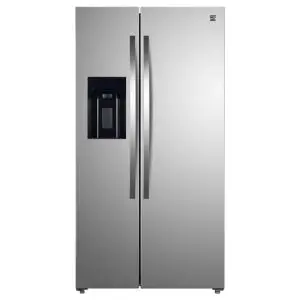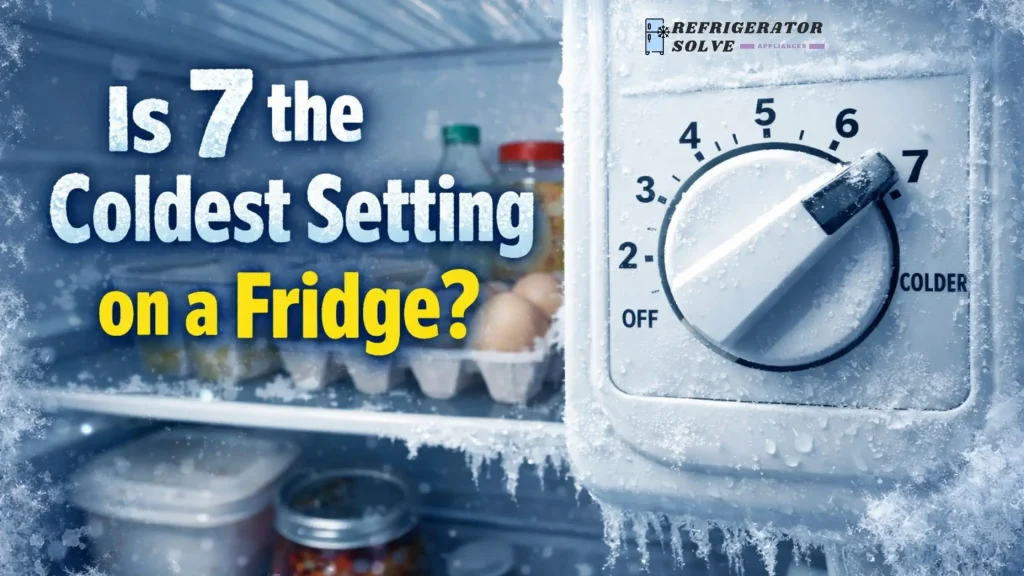
Yes, in most refrigerators, 7 is the coldest setting, meaning the compressor runs longer to keep food colder. Still, the exact result depends on your fridge model, how full it is, and how often the door opens.
I’ve adjusted my fridge dial more times than I can count. Milk freezing, vegetables going soft, leftovers spoiling too fast—these problems usually start with one simple question: is 7 the coldest setting on a fridge, or am I doing something wrong?
If you live in the USA, UK, London, Canada, or Australia, this guide is written for you. I’ll explain what the numbers really mean, share common customer pain points, and help you set your fridge correctly so food stays fresh without freezing or wasting energy.
This article is based on personal experience, appliance research, and food safety guidance. My goal is simple: help you avoid frustration and protect your food.
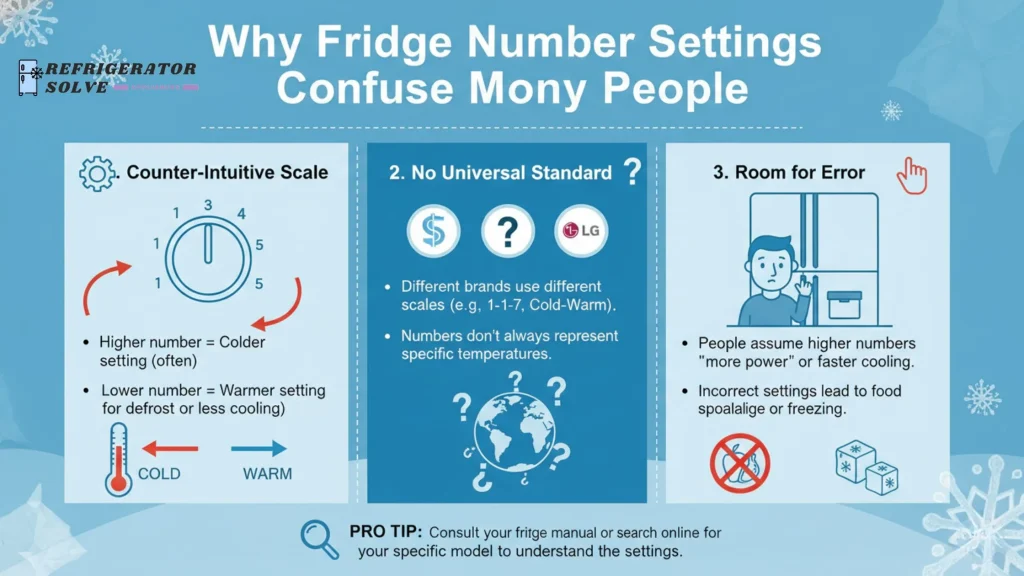
Why Fridge Number Settings Confuse So Many People
Most fridges use numbers instead of exact temperatures. That alone causes confusion. I’ve seen many people assume:
- Higher number means warmer
- Lower number saves electricity
- Setting 7 freezes food faster in all cases
The truth is more practical and less technical.
On most standard refrigerator dials, the higher the number, the colder the fridge. That’s why people often search for answers like which number is colder in fridge 1 to 7 or is fridge colder on 1 or 7.
If you want a detailed breakdown of how these numbers work, this guide explains it clearly:
Which number is colder on fridge 1 to 7
What the 1–7 Fridge Settings Usually Mean
From my experience and from checking manufacturer guides across LG, Samsung, Whirlpool, Bosch, and Beko models, the meaning is usually:
- 1–2: Warmest setting
- 3–4: Medium cooling
- 5–6: Cold
- 7: Coldest setting
So yes, 7 is the coldest setting on a fridge in most cases.
This explanation matches what’s covered in:
Fridge temperature setting 1 to 7 explained
Still, numbers don’t show exact degrees. That’s where real problems begin.
The Ideal Fridge Temperature (Food Safety Matters)
According to food safety guidelines used in the USA, UK, Canada, and Australia, your fridge should stay close to 37°F (3°C).
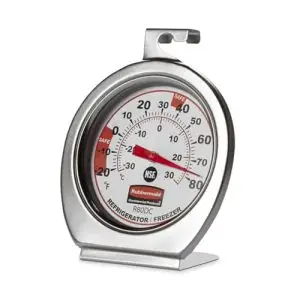
You can verify this with a simple fridge thermometer. The U.S. Food & Drug Administration explains safe storage clearly here
If your fridge is set to 7 and food freezes, it’s too cold. If milk spoils early, it’s too warm.
My Personal Trial: Setting 7 vs Setting 4
I tested this myself over two weeks.
- Setting 7: Lettuce froze, eggs cracked, condensation increased
- Setting 4: Milk stayed fresh, veggies crisp, leftovers lasted longer
This taught me something important: the coldest setting isn’t always the best setting.
Many people face this same issue, which is why articles like
Is fridge colder on 1 or 7
exist and get so much attention.
Customer Pain Points I See All the Time
Let’s address real frustrations people face:
1. Food Freezing in the Fridge
This usually happens when the dial is too high, often set to 7.
2. Food Spoiling Too Fast
Often caused by a low setting like 1 or 2, especially in warmer homes.
3. Uneven Cooling
Top shelves freeze, bottom shelves feel warm.
4. High Electricity Bills
Running on 7 all year forces the compressor to work harder.
5. Confusing Number Labels
Many people don’t know what fridge number settings meaning actually is.
These issues are explained well in
Fridge number settings meaning
Does a Higher Number Mean Colder Fridge?
In most models, yes. This is why people ask: does higher number mean colder fridge?
The short answer: higher number = colder temperature, because it increases cooling time, not because it sets a specific degree.
You can read a clear explanation here:
Does higher number mean colder fridge
Why 7 Isn’t Always the Right Choice
Even though 7 is the coldest setting on a fridge, it’s rarely ideal for daily use.
Reasons include:
- Freezing fresh produce
- Drying out cheese
- Ice forming near vents
- Extra energy use
For most homes in the USA, UK, Canada, and Australia, setting 3 or 4 works best year-round.
Seasonal Adjustments Matter
I adjust my fridge twice a year:
- Summer: Setting 4 or 5
- Winter: Setting 3 or 4
Homes in Australia and southern USA may need slightly higher settings during hot months. Flats in London or Canada often need less adjustment.
This is explained well in
Refrigerator temperature control numbers
Fridge Dial vs Digital Display
If your fridge uses a dial, numbers are relative. Digital displays show actual temperature.
Dial users often check guides like: Fridge dial 1 to 7 which is coldest
Digital users should aim for 37°F / 3°C instead of relying on numbers.
Quotes From Experts and Real Voices
“Food safety starts with temperature control, and small adjustments make a big difference.”
— Dr. Helen Carter, Food Safety Consultant
“Many people keep fridges colder than needed, which damages fresh produce.”
— James Holloway, Appliance Technician
“A fridge setting that’s too cold wastes energy without improving food quality.”
— Laura Bennett, Home Energy Advisor
Common Fridge Number Questions Answered
People frequently search for explanations like:
What does 1 to 7 mean on a refrigerator
and
Fridge temperature numbers explained
These questions exist because manufacturers rarely explain this clearly.
Frequently Asked Questions
Is 7 always the coldest setting on a fridge?
In most cases, yes. Still, some older or compact models reverse the logic, so checking the manual helps.
Should I keep my fridge on 7 all the time?
No. This often causes freezing and higher electricity use.
What is the best fridge setting for everyday use?
For most homes, setting 3 or 4 keeps food fresh and safe.
Why does my fridge freeze food on setting 7?
Because airflow and cooling time increase, pushing temperatures below safe storage levels.
How do I know my fridge temperature is correct?
Use a fridge thermometer and aim for 37°F (3°C).
Final Thoughts: Is 7 the Coldest Setting on a Fridge?
So, is 7 the coldest setting on a fridge? In most refrigerators, yes—it’s the coldest option. But colder isn’t always better.
From my experience, balanced settings protect food, reduce waste, and lower energy costs. Start at 3 or 4, monitor results, and adjust slowly. A fridge should support your life, not add stress.
If this guide helped you, you now know exactly how to set your fridge with confidence—no guessing, no spoiled food, and no frozen lettuce again.