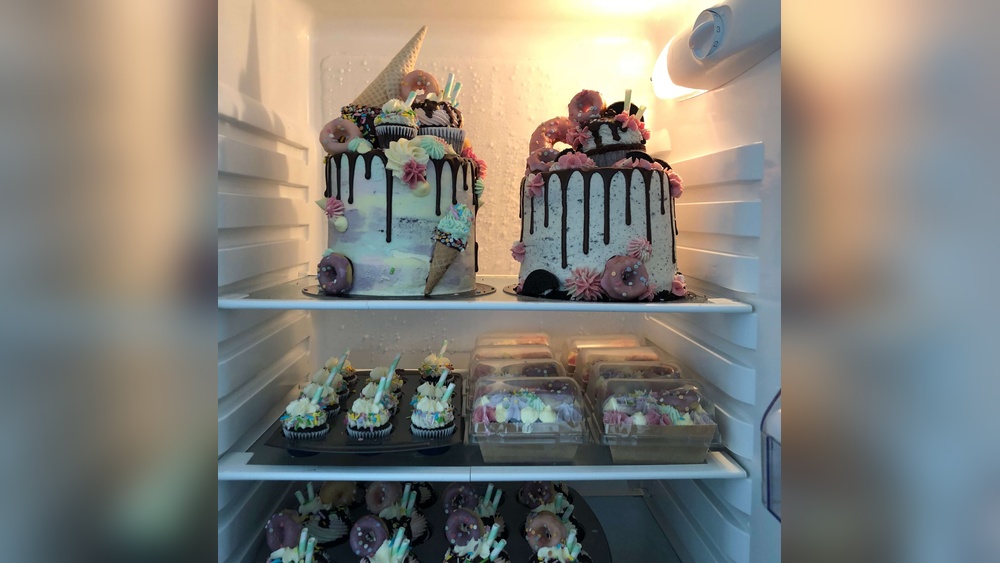
Are you wondering if your Smart Cakes need to be refrigerated? It’s a common question that can make a big difference in how fresh and tasty your cake stays.
You want to enjoy every bite at its best, but storing cakes can be tricky. Some say refrigeration helps, while others warn it might dry out your dessert. You’ll discover the simple truth about storing Smart Cakes. By the end, you’ll know exactly how to keep your cake fresh, moist, and delicious — no guesswork needed.
Keep reading to unlock the smart way to care for your Smart Cakes!
Why Refrigeration Matters
Refrigeration plays a key role in keeping smart cakes fresh and safe. These cakes often contain ingredients that can spoil quickly. Storing them properly helps maintain their quality and taste over time. Understanding why refrigeration matters can guide you on how to store smart cakes best.
Impact On Freshness
Refrigeration slows down the aging process of cakes. It helps keep smart cakes moist and soft for longer periods. Without cooling, cakes dry out faster and lose their fresh taste. Chilling smart cakes preserves their natural flavors and sweetness.
Preventing Mold And Spoilage
Smart cakes often have moist fillings or frostings. These can attract mold if left at room temperature. Refrigeration keeps harmful bacteria and mold from growing. It reduces the risk of spoilage and foodborne illness. Proper cold storage ensures your cake stays safe to eat.
Effect On Texture And Taste
Cold storage can change cake texture slightly. Some smart cakes become firmer or denser when chilled. It is important to bring the cake to room temperature before serving. This step helps restore softness and enhances the flavor. Proper refrigeration balances texture and taste perfectly.
Credit: www.kroger.com
Smart Cakes And Their Ingredients
Smart cakes are designed to be healthier and often use unique ingredients. Understanding these ingredients helps decide if refrigeration is needed. Some ingredients spoil quickly, while others keep well at room temperature.
Knowing what is inside your smart cake is important for storage. The type of filling, cake base, and frosting all affect freshness and safety.
Dairy And Perishable Fillings
Cakes with dairy-based fillings like cream cheese or custard need refrigeration. These fillings can spoil fast at room temperature. Smart cakes with fresh cream or fruit curd also require cold storage to prevent bacteria growth. Always check for any wet or soft spots, which may mean the cake must stay refrigerated.
Gluten-free And Low-calorie Options
Gluten-free smart cakes often use almond flour or coconut flour. These cakes can be more delicate and dry out quicker. Low-calorie cakes may use sugar substitutes and less fat, affecting moisture retention. These cakes usually store well at room temperature if kept covered and away from heat. Still, refrigeration can extend their freshness.
Common Frosting Types
Buttercream frosting is common in smart cakes and can stay at room temperature for a day or two. Whipped cream or cream cheese frosting must be refrigerated immediately. Fondant and ganache frostings are more stable but may soften in warm rooms. Always consider the frosting type when deciding to refrigerate smart cakes.
When To Refrigerate Smart Cakes
Knowing when to refrigerate smart cakes helps keep them fresh and tasty. Some cakes need cold storage, while others stay fine at room temperature. Understanding the type of cake and its ingredients guides the best storage choice.
Cakes With Cream Or Custard
Cakes containing cream, custard, or curd fillings must be refrigerated. These ingredients spoil quickly at room temperature. Keep these cakes in the fridge to avoid bacteria growth. Always cover them well to prevent drying out.
Warm Weather Considerations
Warm weather speeds up cake spoilage. High temperatures cause frostings to melt and cakes to become soft. In hot climates, store smart cakes in the fridge to maintain texture and taste. Use airtight containers to lock in moisture and flavor.
Long-term Storage Needs
For storing smart cakes longer than two days, refrigeration is best. It slows down mold and staleness. Wrap cakes tightly in plastic wrap before refrigerating. This keeps them fresh and prevents odors from other foods.
When To Skip Refrigeration
Smart cakes do not always need refrigeration. Many types stay fresh longer at room temperature. Knowing when to skip the fridge helps keep cakes tasty and moist.
Refrigeration can dry out some cakes or change their texture. Choosing the right storage depends on the cake type and ingredients. Here are some cases when skipping refrigeration works best.
Plain Sponge And Butter Cakes
Plain sponge cakes and butter cakes usually last well without refrigeration. They contain no perishable fillings or frostings. Store them in a cool, dry place for up to two days.
Keeping these cakes covered prevents them from drying out. Use a cake dome or airtight container to lock in moisture. Avoid direct sunlight or warm spots.
Cakes Without Perishable Fillings
Cakes without cream, custard, or fresh fruit fillings do not need the fridge. These fillings spoil quickly and require cold storage. Dry cakes or those with jam or chocolate spreads are safe at room temperature.
Check the cake’s ingredients before deciding to skip refrigeration. If none are highly perishable, room temperature storage is fine for one or two days.
Room Temperature Storage Tips
Store cakes in a cool, dry area away from heat and sunlight. Cover cakes properly with plastic wrap or a cake dome. This keeps them moist and protects from dust or bugs.
Keep cakes on a stable surface to avoid damage. Avoid places near strong odors, as cakes can absorb smells. If unsure about freshness, check for off smells or texture before eating.
Best Practices For Cake Storage
Proper storage keeps smart cakes fresh and tasty longer. Following good storage habits protects the cake’s texture and flavor. It also prevents spoilage and keeps the cake safe to eat.
Here are some best practices for storing your smart cakes at home. Simple steps make a big difference in maintaining quality.
Using Airtight Containers
Store cakes in airtight containers to block air and moisture. This stops the cake from drying out. It also prevents it from absorbing odors from other foods.
Choose containers that fit the cake snugly. This reduces air space around the cake. Plastic or glass containers with tight lids work well.
Keeping Cakes Covered
Cover cakes with a cake dome or plastic wrap if no airtight container is available. Covering stops dust and bugs from reaching the cake. It also keeps the cake moist and fresh.
Make sure the cover does not touch the frosting or decorations. Use toothpicks or small supports if needed to avoid damage.
Avoiding Direct Sunlight
Keep cakes away from direct sunlight or heat sources. Sunlight causes the cake to dry out faster. It can also melt frosting or cause spoilage.
Store cakes in a cool, shaded place like a pantry or cupboard. This helps preserve the cake’s texture and flavor longer.
Freezing Smart Cakes
Freezing smart cakes can extend their freshness and flavor for days or weeks. It is a practical way to keep these delicious treats ready for later enjoyment. Proper freezing methods help avoid ice crystals and sogginess. This section explains how to freeze smart cakes properly, how to thaw them, and how to keep their quality after freezing.
How To Freeze Properly
Wrap the smart cake tightly with plastic wrap. Use an airtight container or freezer bag to avoid freezer burn. Label the package with the date to track freshness. Freeze cakes in small portions for easier thawing. Avoid freezing cakes with fresh cream or custard fillings. These do not freeze well and may spoil.
Thawing Tips
Thaw smart cakes slowly in the refrigerator for several hours or overnight. This prevents moisture buildup and sogginess. Let the cake reach room temperature before serving. Avoid using a microwave as it can dry out the cake. Keep the wrapping on while thawing to maintain moisture.
Maintaining Quality After Freezing
Store smart cakes away from strong odors in the freezer. Use fresh cakes within one to two months for best taste. Check for any ice crystals or freezer burn before thawing. Rewrap leftover cake tightly after thawing to keep it fresh. Enjoy the cake within a few days after thawing for best texture and flavor.
Signs Of Spoiled Cakes
Knowing when a smart cake has spoiled is important for your health and taste experience. Spoiled cakes can cause stomach problems and ruin your enjoyment. Watch for clear signs to avoid eating bad cake.
These signs are easy to spot and help you decide if the cake is safe to eat. Always check your cake carefully before serving or storing it.
Off Smells And Flavors
A spoiled cake often smells sour or strange. It might have a sharp, unpleasant odor. If the cake tastes bitter or off, do not eat it. Fresh cakes usually have a sweet and mild smell. Any unusual smell or flavor means the cake is bad.
Visible Mold
Mold looks like green, white, or black fuzzy spots on the cake. It can appear on the surface or inside the cake. Mold shows the cake is unsafe to eat. Even small mold spots mean you should throw the cake away. Never try to cut off mold and eat the rest.
Changes In Texture
Spoiled cakes may feel slimy or sticky instead of soft and moist. The cake can become dry and crumbly or unusually hard. Texture changes mean the cake is losing freshness. If the cake feels strange or different, it is best to discard it.

Credit: www.angesdesucre.com
Expert Tips From Bakers
Bakers share valuable advice on storing smart cakes properly. These tips help keep cakes fresh and tasty longer. Understanding how to handle smart cakes prevents waste and preserves flavor. Follow expert insights to enjoy your cake at its best.
Common Mistakes To Avoid
Many people refrigerate smart cakes unnecessarily. This can dry out the cake and change its texture. Avoid exposing cakes to direct sunlight or heat sources. Do not leave cakes uncovered, as they absorb odors and lose moisture. Using plastic wrap directly on frosting can cause damage.
Maximizing Shelf Life
Store smart cakes in a cool, dry place away from sunlight. Use airtight containers or cake domes to keep moisture in. For cakes with dairy-based fillings, refrigeration is necessary. Always check for any signs of spoilage before eating. Use parchment paper between stacked cake layers to prevent sticking.
Handling Smart Cakes On The Go
Transport smart cakes in sturdy boxes to avoid damage. Keep cakes cool but avoid refrigeration if possible. Use ice packs in insulated bags for warm weather trips. Handle cakes gently to preserve decorations and texture. Allow refrigerated cakes to reach room temperature before serving.
Credit: www.walmart.com
Frequently Asked Questions
How Long Can A Cake Be Left Unrefrigerated?
Cakes without perishable fillings stay fresh unrefrigerated for 1-2 days in a cool, covered place. Refrigerate cream or custard-based cakes immediately.
What Kind Of Cake Does Not Need To Be Refrigerated?
Cakes without perishable fillings or frostings, like plain sponge, banana bread, or fruitcake, do not need refrigeration. Store them covered in a cool, dry place to keep freshness and prevent drying. Avoid refrigerating buttercream or dairy-heavy cakes to maintain softness.
Are Smartcakes Healthy?
Smartcakes® are healthy snacks, ideal for weight loss and gluten intolerance. They contain more fiber and water, helping you feel fuller longer.
Is It Okay If I Don’t Put The Cake In The Fridge?
Not all cakes need refrigeration. Store buttercream-frosted cakes at room temperature, covered, to keep them soft and fresh. Refrigerate cakes with dairy fillings or perishable frostings to prevent spoilage.
Conclusion
Smart cakes usually last well at room temperature. Store them covered to keep freshness and moisture. Cakes with dairy or cream fillings need refrigeration to stay safe. Always check cakes for odd smells or mold before eating. Keeping cakes cool and dry helps maintain their taste.
Proper storage extends cake enjoyment without risking spoilage. Remember, smart cakes can be delicious and safe when stored right.

Hi, I’m the lead researcher and appliance enthusiast behind RefrigeratorSolve. With years of hands-on experience troubleshooting cooling systems and testing home appliances, I am dedicated to bringing you honest reviews, energy-saving tips, and practical solutions to keep your refrigerator running perfectly.