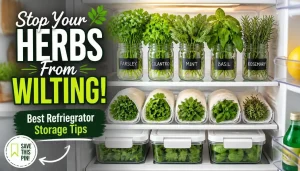
For most fresh herbs, the best method is to wrap them loosely in a slightly damp paper towel and place them inside an airtight container or resealable bag in your refrigerator’s crisper drawer. This balances moisture to keep them crisp and vibrant for over a week. Understanding the Best Way to Store Herbs can help preserve their freshness.
I can’t count the times I’ve brought home a beautiful bunch of cilantro or parsley, only to find it limp or slimy just days later. If you’ve felt that frustration, you’re not alone. Wasting herbs feels like throwing money away and missing out on the flavor that makes meals special.
Over many years of cooking at home and learning from chefs, I’ve tested every herb storage trick imaginable. I want to share what truly works, so you can enjoy that just-picked freshness in your cooking every time. This isn’t about complicated steps; it’s about simple, effective habits that fit into your routine.
Let’s start with why herbs go bad so fast. Herbs are live plants, and once harvested, they start to lose water or, if trapped in a humid environment, can rot. The enemy is often excess moisture or dryness. Leaves wilt when they dehydrate, and stems get slimy when they sit in water or a sealed bag without air flow. Another culprit is ethylene gas, which is naturally released by fruits like apples and bananas; it can make herbs age prematurely. Knowing this helps us choose the right storage plan.
The Golden Rules for Herb Storage
When considering the Best Way to Store Herbs, remember these essential tips to maximize their shelf life and flavor.

Before we get into specifics, here are a few rules I always follow:
- Do not wash herbs right after you buy them. Water on the leaves can speed up decay. I wash them just before I’m ready to chop and use them.
- Give the stems a fresh trim. Using a sharp knife, cut off a small part of the stem ends. This helps the herb take in water if you’re using the jar method.
- Handle with care. Herbs are delicate. Avoid crushing or packing them too tightly.
- Keep them cold but not too cold. Your refrigerator is ideal, but the very back can be too chilly for some types. The crisper drawer offers a more consistent, humid environment.
Tender Herbs vs. Hardy Herbs: Your Storage Strategy Depends on the Type
This is the most important part. Herbs fall into two main groups, and storing them correctly means knowing which is which.
- Tender Herbs have soft stems and leaves. Think parsley, cilantro, dill, mint, and chives. They lose moisture quickly and are most prone to wilting.
- Hardy Herbs have woody stems. Rosemary, thyme, oregano, sage, and marjoram are in this group. They are less sensitive and can handle drier conditions.
My Go-To Method for Tender Herbs (Parsley, Cilantro, Dill)
This is my favorite, foolproof system. You’ll need paper towels and an airtight container or a zip-top plastic bag.
- Gently pat the herbs dry if they seem damp from the store.
- Take a few sheets of paper towel and dampen them under the tap, then wring out so they are just moist, not dripping wet.
- Lay the herbs on the damp paper towel and loosely wrap them up. The paper towel acts like a buffer—it provides just enough humidity to keep the leaves from drying out, but soaks up any extra moisture that would cause sogginess.
- Place this bundle into an airtight container or a resealable plastic bag. Don’t pack it tightly; let the herbs breathe a little.
- Put the container in the high-humidity crisper drawer of your fridge.
I’ve kept parsley fresh and crisp for nearly two weeks using this method. It’s effective because it creates a stable microclimate. The airtight seal protects the herbs from ethylene gas and odor absorption, while the paper towel manages moisture perfectly.
The Jar Method: Like a Bouquet in Your Fridge

This is a fantastic alternative for herbs with long stems, like cilantro or parsley. It feels like giving them a second life.
- Trim the stem ends.
- Fill a glass jar or a cup with about an inch of water.
- Place the herb stems in the water, just like a small bouquet.
- Loosely place a plastic bag over the leaves and secure it around the jar with a rubber band. This creates a humid tent.
- Place this in the fridge. Change the water every couple of days.
I use this for cilantro I plan to use within the week. It stays amazingly perky. Just be sure the leaves aren’t submerged in the water—only the stems.
How to Store Hardy Herbs (Rosemary, Thyme, Oregano)
These sturdy herbs are easier. Because they don’t wilt as fast, they need less coddling.
- Short-Term (Fridge): Wrap them in a dry paper towel and place them in an airtight container or plastic bag in the crisper. They should stay good for up to three weeks.
- Long-Term (Drying): You can easily dry hardy herbs. Tie them in small bunches and hang them upside down in a warm, dry spot with good air circulation for about one to two weeks. Once crumbly, store the leaves in a spice jar away from light. While dried herbs have a more concentrated flavor, they are perfect for cooking in soups and stews.
The Special Case of Basil
Basil is the outlier. It hates the cold and often turns black or limp in the fridge. For basil, I treat it like a cut flower on my countertop. I place the stems in a jar of water, keep it at room temperature, and away from direct sun. If I must refrigerate it (like if I’m going away for a couple of days), I use the jar method with a plastic bag cover and place it in the warmest part of the fridge, usually the door.
What About Other Leafy Greens?
While not herbs, many people store lettuce, spinach, and kale with similar worries. The principles are the same: control moisture. I wash and thoroughly dry these vegetables in a salad spinner, then line an airtight container with paper towels, add the greens, seal, and refrigerate. This keeps my salad fixings crisp for much longer.
When You Have Too Much: Freezing Herbs
Sometimes a sale or a garden bounty means more herbs than you can use. Freezing is a brilliant solution for long-term preservation.
- For Cooking: Chop parsley, cilantro, dill, or mint and pack them into ice cube trays. Cover with water or olive oil and freeze. Once solid, pop the ice cubes into a freezer bag. Toss a cube directly into your soup, stew, or sauce while cooking. The flavor and aroma remain strong.
- For Pesto: Make pesto with basil, pine nuts, garlic, cheese, and oil. Freeze it in small jars or as cubes for a instant pasta sauce.
Solving Common Pain Points
- “My herbs are wilted!” Don’t toss them! Submerge them in a bowl of ice water for 15-30 minutes. They’ll often absorb water and become crisp again. This is a great trick for parsley and cilantro.
- “There’s mold in the bag!” This is usually from too much moisture or lack of air flow. Always ensure herbs are dry before storage and use that paper towel trick. If you see a few bad sprigs, remove them immediately so the mold doesn’t spread.
- “They lost all flavor.” Herbs lose their volatile aroma oils over time. For the brightest taste, store them properly and use them within their prime. Adding herbs at the end of cooking or as a garnish preserves their essence.
Quotes from Culinary Experts
“Fresh herbs are the soul of good cooking.” – Alice Waters
“Treat your ingredients with respect, and they will reward you with flavor.” – Jamie Oliver
“The difference between a good dish and a great one is often the freshness of the herbs.” – Yotam Ottolenghi
Frequently Asked Questions
How long can I expect my herbs to last in the fridge using these methods?
Tender herbs stored with the damp paper towel method can last 10-14 days. Hardy herbs can last up to 3 weeks. Basil is best used within a week, kept on the counter.
Can I store all my herbs together in one container?
It’s better to store different types separately. They release different moisture levels and could cause cross-spoilage. Keep tender and hardy herbs in their own containers.
Is it okay to use a plastic bag from the grocery store?
Those thin, perforated bags are not ideal for long storage. They let too much air in, leading to dehydration. Transfer your herbs to an airtight container or a thicker, resealable bag with a paper towel.
What’s the best way to store chives?
Treat chives as a tender herb. Wrap them in a damp paper towel and place in an airtight container. You can also chop and freeze them.
Do these methods work for herbs like tarragon and chervil?
Absolutely. Treat any soft-stemmed, leafy herb as “tender” and use the damp paper towel and container method.
Conclusion
Keeping herbs fresh is all about managing their environment. By using simple tools like paper towels, airtight containers, and your fridge’s crisper drawer, you can prevent wilting, avoid mold, and preserve that wonderful flavor and aroma. Whether you’re making a vibrant salad, a hearty stew, or just adding a garnish, having fresh herbs on hand makes everyday cooking feel more special. Start with the damp paper towel method—it’s easy and effective. You’ll save money, reduce waste, and your meals will taste noticeably better.
For more detailed guidance on storing a wide variety of produce, the University of California’s Division of Agriculture and Natural Resources has a fantastic, science-backed resource that I often consult: Storing Fresh Fruits and Vegetables. It’s a great place to learn more.
I hope these tips help you keep your kitchen stocked with vibrant, fresh herbs. Happy cooking

Hi, I’m the lead researcher and appliance enthusiast behind RefrigeratorSolve. With years of hands-on experience troubleshooting cooling systems and testing home appliances, I am dedicated to bringing you honest reviews, energy-saving tips, and practical solutions to keep your refrigerator running perfectly.