

Choosing the right refrigerator water filter can dramatically improve the taste, safety, and quality of your drinking water. In this guide, I’ll walk you through exactly what to look for, how water filters work, and how to pick the best one for your home.
Why You Need a Refrigerator Water Filter
If your refrigerator has a built-in water dispenser or ice maker, a water filter isn’t just a luxury, it’s essential. A good filter removes:
- Chlorine taste and odor
- Sediment and particulates
- Heavy metals like lead
- Potential contaminants like pesticides
Without a quality filter, water and ice from your fridge may taste unpleasant and be less healthy.
How Refrigerator Water Filters Work
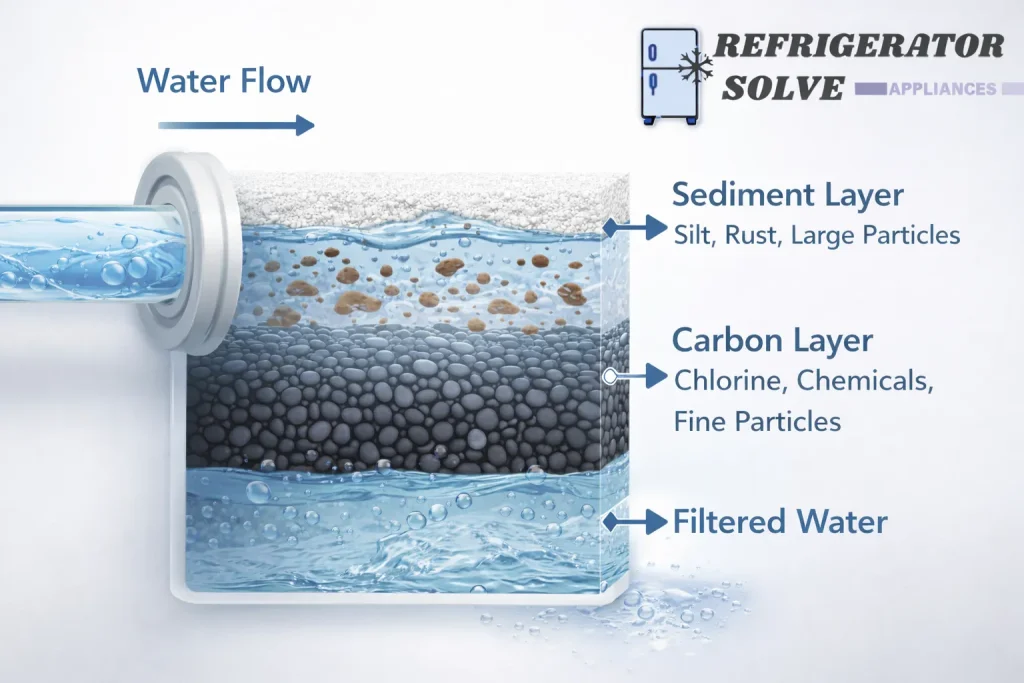
Understanding how filters work helps you choose the best one.
Filtration Basics
Refrigerator water filters typically use activated carbon to:
- Trap contaminants
- Reduce odors and bad taste
- Improve clarity
Some advanced models also include ion exchange to target heavy metals.
Key Features to Look For
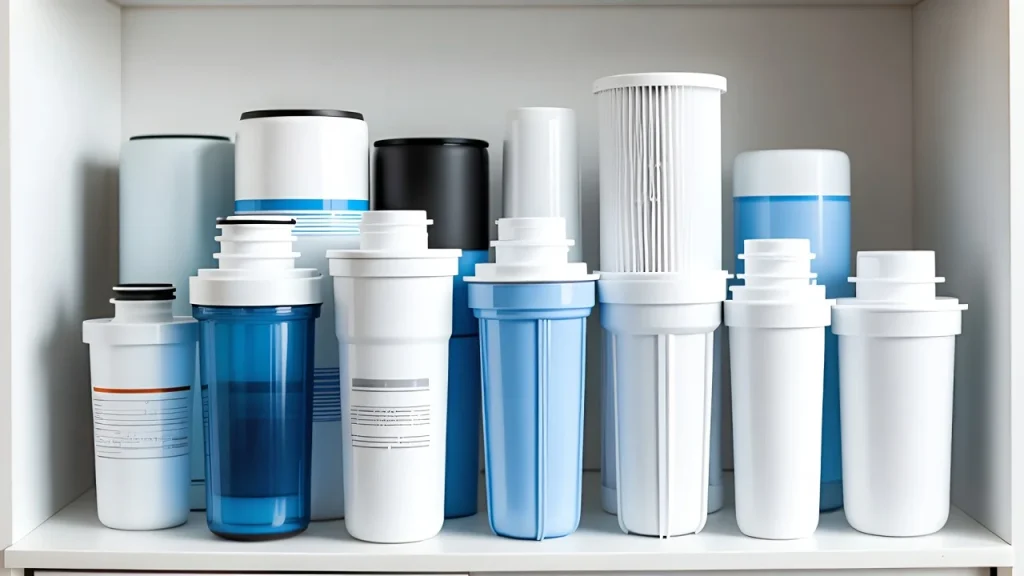
When shopping, focus on these features:
Certification
- Look for NSF/ANSI 42 (taste/odor reduction)
- NSF/ANSI 53 (health-related contaminant reduction)
Certified filters meet strict performance standards.
Compatibility
Not all filters fit every fridge brand. Check your model number carefully.
Filter Lifespan
Most filters last 6 months or about 300 gallons. Some premium filters go longer — up to 12 months.
Filtration Technology
- Carbon block: Excellent overall performance
- Reverse osmosis (RO): Highest purity, slower flow
- Multi-stage filtration: Combines media for broader contaminant removal
Refrigerator Water Filter Ratings — What They Mean
This table explains common rating standards:
| Rating | What It Means | Typical Contaminants Reduced |
|---|---|---|
| NSF/ANSI 42 | Aesthetic improvements | Chlorine, odor, taste |
| NSF/ANSI 53 | Health-related contaminants | Lead, cysts, VOCs |
| NSF/ANSI 401 | Emerging contaminants | Pharmaceuticals, chemicals |
Types of Filters — Pros & Cons
Standard Carbon Filters
Pros: Affordable, widely available
Cons: Limited heavy-metal removal
High-Efficiency Multi-Stage Filters
Pros: Better contaminant reduction
Cons: Higher cost
Reverse Osmosis (RO) Systems
Pros: Very thorough filtration
Cons: More expensive, slower water flow
How to Install Your Refrigerator Water Filter
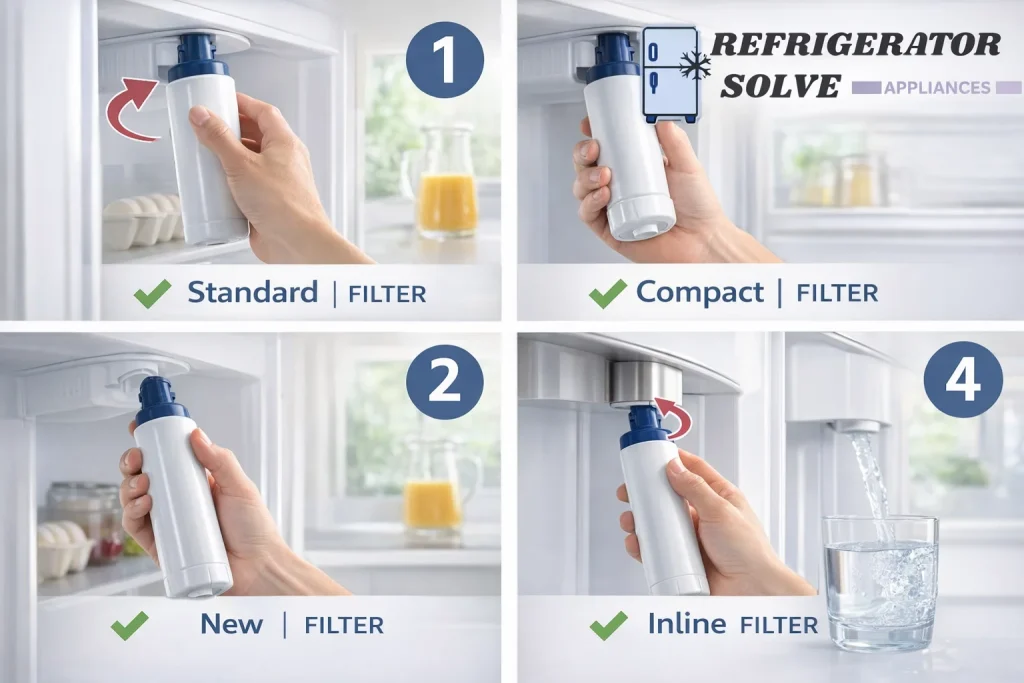
Installation is usually straightforward:
- Locate the filter (inside fridge or grille)
- Turn off water supply (optional but recommended)
- Remove old filter
- Align and install new filter
- Flush system (run 2–3 gallons of water)
Frequently Asked Questions on Refrigerator Water Filter Buying Guide
How often should I replace my refrigerator water filter?
Typically every 6 months or as recommended by your fridge manufacturer.
Can I use a generic filter instead of OEM?
Yes — but make sure it’s certified and compatible with your model.
Will a water filter remove fluoride?
Most standard fridge filters won’t remove fluoride. Only RO or specialty filters do.
Expert Opinion
As someone who tests and reviews water filtration systems, I’ve found that the most effective refrigerator water filters combine strong contaminant removal with long lifespan and easy installation. Prioritize certified filters that match your fridge model it’s the best way to ensure safe, great-tasting water.
Conclusion
Choosing the right refrigerator water filter doesn’t have to be confusing. Focus on certification, compatibility, and filter technology. With the right filter, you’ll enjoy cleaner, healthier, better-tasting water every day.

Related Articles You May Find Helpful
- For expert picks on top models, check out my comprehensive list of the best refrigerator water filters
- Want to know exactly how these filters work inside your fridge? Read how refrigerator water filters work
- Curious whether refrigerator water filters really make a difference? Explore the facts in do refrigerator water filters really work?

Hi, I’m the lead researcher and appliance enthusiast behind RefrigeratorSolve. With years of hands-on experience troubleshooting cooling systems and testing home appliances, I am dedicated to bringing you honest reviews, energy-saving tips, and practical solutions to keep your refrigerator running perfectly.



One Response